Wire Your Brain for Lasting Fitness Habits
Why Reward Timing is the Real Driver of Fitness Habit Building
Half of your new gym members will quit within six months. That is a widely accepted industry average, and honestly, it’s terrible. When that initial January or Monday-morning motivation wears off, attendance usually drops off a cliff. You watch the check-in numbers slide, knowing a cancelled direct debit is just weeks away. Most operators try to fix this by blasting out generic “we miss you” emails. But what if we completely rethought how to keep gym members motivated? Instead of relying on a member’s willpower, we can build a system driven by actual brain chemistry.
Why Does Reward Timing Matter for Habit Formation?
Reward timing matters because the human brain demands immediate dopamine to reinforce a new behaviour. Relying on willpower alone is a losing strategy. By the time life gets stressful, most people are running on fumes. Your brain is wired to crave the anticipation of a reward, not just the result of a six-month diet.
As FitCraft points out, when a member learns that logging a workout leads to collectible badges, streak milestones, or XP, they start looking forward to the process. A 2021 megastudy published in Nature backed this up. They found that offering immediate micro-rewards for exercise boosted weekly gym visits by 9%.
This is system design over sheer grit. And it’s a much smarter approach to fitness habit building.
How Immediate Rewards Actually Change Member Behaviour
Immediate rewards work by giving instant, tangible feedback instead of forcing members to wait months for abstract health benefits. Think about a corporate client working fifty-hour weeks. They aren’t usually motivated by the idea of their future self in six months. They need a win today.
Gamification provides that instant win. We’re talking about XP, levels, digital badges, and streaks. These aren’t just arbitrary points on a screen. They act as immediate visual cues of progress, tapping directly into the dopamine system. As explored by Zing Coach, designing a fitness ecosystem around these behavioural principles turns consistency from a chore into a highly engaging loop.
What Kind of Real-World Rewards Actually Work?
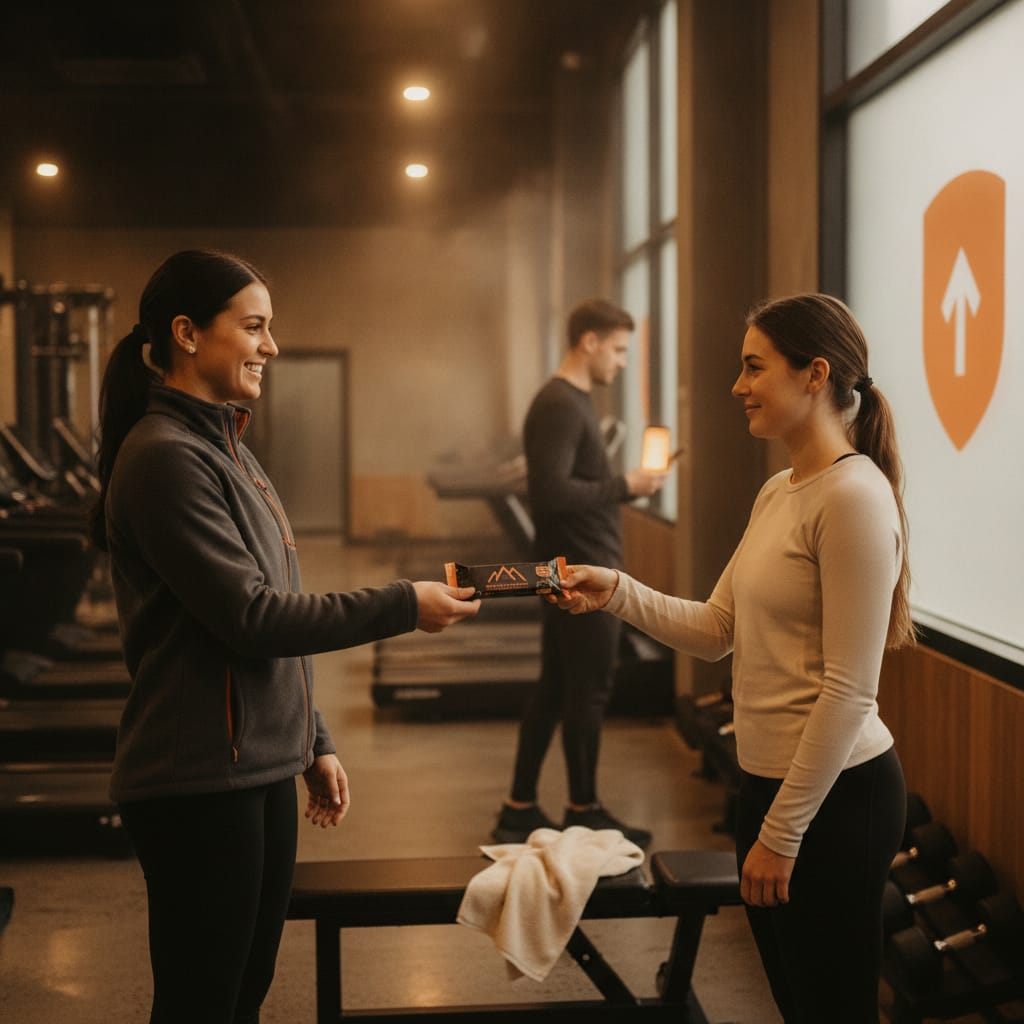
The most effective real-world rewards are low-cost to you, but high-value to the member. They should tie directly to attendance or engagement milestones. For example, unlocking a free protein shake from the gym cafe after a 10-day streak. Or earning a complimentary 30-minute PT session when hitting a new level. These physical items reinforce the digital dopamine hit.
Here’s a specific tip for gym owners: use variable ratio reinforcement. Don’t just reward every tenth visit like a boring cafe punch card. Mix in surprise rewards for random check-ins. Unpredictability spikes dopamine even higher. Hand out a branded towel, offer early access to new class bookings, or just give a public shout-out on the gym floor. Check out how community transforms fitness for more on making members feel valued.
Automating the Reward Process
You can automate these rewards by integrating member check-ins and workout logs directly into a central tracking app. If a member has to physically find a staff member and show a card to claim a free coffee, the system fails. It needs to be trackable and entirely friction-free.
This is where an AI companion app handles the busywork. It tracks workouts, celebrates milestones, and alerts members the second they earn something. No manual spreadsheets required from your front desk staff. This is how you scale fitness habit building without adding hours of admin to your payroll.

Run your gym smarter.
The complete AI-first OS for owners and members.
Good software, zero BS.
Using Data to Spot At-Risk Members Before They Churn
You can’t fix churn if you don’t know who is about to quit. A solid operating system gives you a dashboard highlighting at-risk members based on declining attendance patterns.
This data lets you intervene early. If a member hasn’t swiped in for eight days, an automated message saying, “Your next coffee is on us if you make it in this week” often breaks the slump. It’s about proactive retention rather than reactive panic. Having an operating system for engagement helps you understand behaviour on a deeper level. This insight is critical for gym member retention, especially when you’re competing against massive big-box franchises.
The Anticipation Effect: Keeping Members Hooked
Members don’t just work out for the reward they get today. They work out for the reward they might get next week. They chase that next streak or level because the anticipation creates its own internal pull. Behavioural science insights prove this is a massive motivator.
This internal pull gives members a fun challenge to keep them coming back. You can learn more about why your brain loves a good fitness streak here.
Look, you aren’t just selling equipment access anymore. You’re selling an engaging experience where consistency is acknowledged and rewarded. Reward timing isn’t a gimmick. It’s behavioural science applied directly to your gym’s retention rate.
So, are you giving your members the right nudge at the right time? If you want to explore how an AI-powered companion can help your members stay engaged and build unstoppable habits, PATO can help.