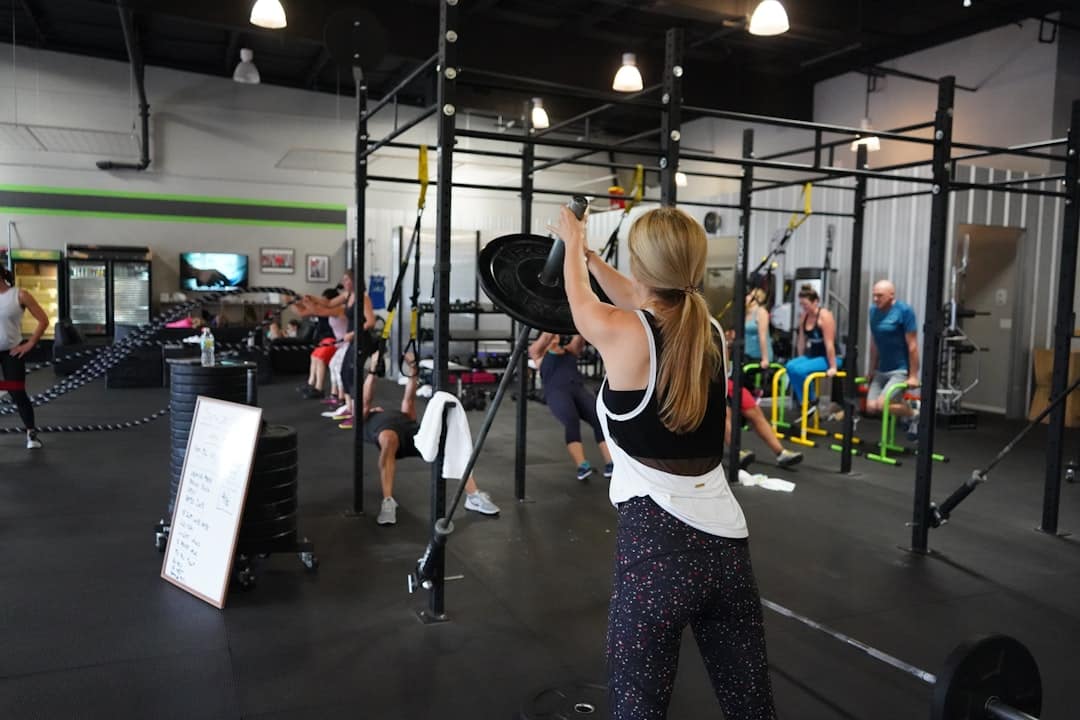
Gym Access Control: Running a Gym-Within-a-Gym Without the Admin Nightmare

Spending fifty thousand dollars on drywall to separate premium members from your standard base is a complete waste of capital. You don’t need physical walls to charge high-ticket prices. The real barrier to a profitable hybrid gym model is just digital friction, which is exactly where smart gym access control comes in.
So you want to run a $20-a-week open access gym alongside an $80-a-week small-group training tier. The immediate problem is boundaries. If a standard member wanders onto the lifting platforms while your premium group is training, the value of that high-ticket membership evaporates. Your paying clients feel cheated. Meanwhile, your coaches spend half their session acting as security guards. Not great. But fixing this doesn’t mean hiring a second receptionist. It comes down to configuring your door hardware properly.
What exactly is a ‘gym-within-a-gym’ model?
You operate a high-value boutique service inside a lower-priced, high-volume facility. The goal is capturing two entirely different market segments under one roof to maximise revenue per square metre.
The economics make sense. A 2023 report from the Health & Fitness Association found that boutique studios generate up to four times the revenue per member compared to traditional open gyms. Offering a high-touch coaching tier lets you tap into that premium yield without losing the predictable recurring revenue of standard memberships.
Execution gets messy, though. You are running two distinct businesses sharing the same bathrooms, front door, and gym management software.
The danger of dynamic pricing in hybrid facilities
A gym owner I consult with down in Hamilton learned this the hard way last year. They launched an $85-a-week strength camp right in the middle of their open gym floor. Standard members watched the premium group use the exact same squat racks, just with a coach standing there.
The result? Standard members felt alienated, and the premium group felt zero exclusivity. Total headache.
As fitness industry analyst Tommaso Maria Ricci points out in his 2026 operator guide, pricing strategy is where good intentions fail fastest.
Members resent being charged differently for identical access. You must clearly differentiate what they are buying.
That differentiation starts at the front door.

Run your gym smarter.
The complete AI-first OS for owners and members.
Good software, zero BS.
How to use digital gym access control for membership tiers
The answer to the hybrid model is digital. Instead of building a physical barrier, you use a tiered gym access control system to manage who can be where. Here is how modern operators configure this without creating extra admin work.
1. Class-gated check-ins
Instead of relying on coaches to take attendance on a clipboard, your access hardware should talk directly to your class booking system. Bluetooth Low Energy (BLE) readers make this incredibly smooth. When a premium member taps their phone at the studio door, the system checks two specific things. First, do they hold an active premium membership? Second, are they booked into a session starting in the next 15 minutes?
If yes, the door opens. If a standard member tries to scan in, the reader flashes red. Software handles the boundary so your staff can focus on coaching.
2. Zone-specific hardware
If you lack a separate studio room, you can still use access tiers. Many gyms install internal access points at the edge of the functional training turf. A secondary turnstile or a standalone scan-in pedestal does the job perfectly. Standard members can hit the main weight room and cardio decks. Accessing the turf, however, requires a premium membership scan.
This setup is highly effective for unstaffed gym operations where you still want to offer segmented value without paying staff to police the floor.
3. Time-restricted logic
Sometimes the premium offering is just priority access during peak times. Your access system can be programmed so off-peak memberships only grant entry between 9:00 AM and 4:00 PM. Meanwhile, premium members get 24/7 access. It is a simple software rule, and it requires zero ongoing admin effort once set up.
Catching the mid-year retention slump
Mid-year is when operations are tested. The January rush is long gone. Right now, your focus has to be on keeping engaged members active and catching at-risk members before they quietly lapse.
Watch your attendance data closely across both tiers. According to retention studies by the Fitness Industry Association, standard gym members churn at an average rate of 28% annually, while premium coaching clients sit closer to 15%. But a premium member leaving hurts your bottom line four times as much. You need a system that flags a drop in a member’s weekly attendance automatically. If a boutique member goes from three sessions a week to one, your coaches need to know immediately. Waiting until their billing fails at the end of the month is too late.
Does AI belong in a hybrid gym model?
Absolutely. But not to replace your coaches. AI enhances efficiency and personalises the member experience behind the scenes. You can use it to automate the busywork of managing two distinct member journeys.
For example, an AI-powered operating system can:
- Track the workout habits of standard members to identify targeted upsell opportunities.
- Trigger automated invitations to trial your premium strength camp based on behavioural data.
- Monitor check-in velocity and populate an owner dashboard showing exactly who is thriving and who is drifting.
Human coaches can then step in and do what they do best. Build relationships.
Fixing the access problem
Running a premium tier inside a standard facility is one of the smartest ways to scale revenue. But it falls apart if your software cannot handle the complexity. You can’t rely on the honour system. You definitely can’t ask your coaches to act as bouncers.
Get your access logic sorted. Make the boundaries digital, clear, and automated. When standard members see a well-run, professional premium service happening in the same building, they won’t resent it. They will aspire to join it.
If you need a member companion app that handles membership tiers, engagement data, and friction-free access without the headache, PATO’s operating system brings it all together. Check it out.